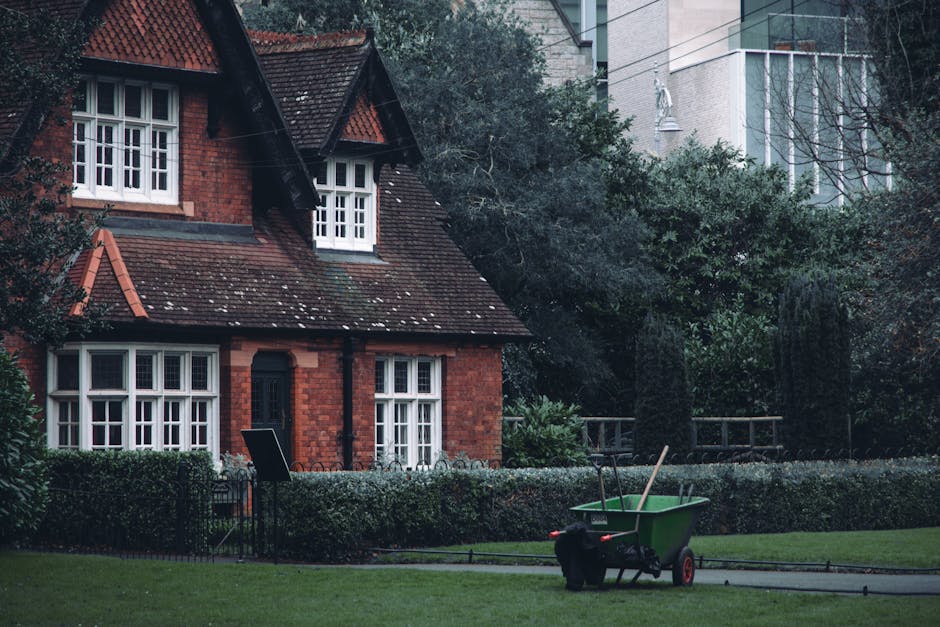
CR0 Gardeners Who Service Addington Village and Selsdon: A Practical Local Guide
If you are looking for CR0 gardeners who service Addington Village and Selsdon, you are probably after something fairly simple: a reliable local team that understands the gardens, the weather, the soil, and the day-to-day realities of keeping an outdoor space tidy in this part of South London. That might mean weekly maintenance, a one-off garden rescue, hedge trimming before things get out of hand, or a full redesign because the garden has quietly slipped into "I'll deal with it next weekend" territory. We have all been there, to be fair.
This guide breaks down what local gardeners can actually help with, how the service typically works, what to look for before you book, and where the main value really lies for homes around Addington Village and Selsdon. You will also find a checklist, a comparison table, and a few practical examples so you can make a sensible decision without second-guessing every detail.
Why CR0 gardeners who service Addington Village and Selsdon Matters
Gardens in and around CR0 are not all built the same. Some have generous lawns that need regular attention, while others are compact, shaded, sloped, or exposed to wind. In Addington Village, you often see mature planting, hedging, boundary treatment, and garden layouts that need careful upkeep rather than a quick mow-and-go approach. In Selsdon, many homeowners want a balance between privacy, year-round structure, and planting that can cope with changing conditions. That combination makes local experience matter quite a bit.
The real advantage of using gardeners who already work in the area is that they tend to spot patterns quickly. They know which gardens get waterlogged after heavy rain, where wind exposure tends to stress fences and climbers, and when a hedge should be cut to keep shape without stripping away privacy. That local familiarity saves time and usually prevents the sort of "fix it twice" work that nobody enjoys.
There is also a practical side to it. If you want regular maintenance, a local team is easier to schedule, easier to contact, and generally better placed to return for follow-up work when something needs a second look. A neighbour may want a tidy front garden every fortnight; another may need a larger seasonal visit with pruning, weed control, and border resetting. Different homes, different rhythms. Simple as that.
Expert summary: The best local gardening service is not the one that only cuts grass fastest. It is the one that understands your garden's structure, your priorities, and the seasonal pressure points that are common in CR0.
How CR0 gardeners who service Addington Village and Selsdon Works
Most homeowners start with a conversation about what the garden actually needs. That may sound obvious, but it is often the most important part. A good gardener will usually want to know the size of the space, how often you want visits, whether the site includes pets or children, and whether there are problem areas such as overgrown hedges, mossy patios, broken fencing, or tired lawn edges.
From there, the work usually falls into one of a few broad categories:
- Garden maintenance: recurring tasks such as weeding, edging, pruning, and general tidying.
- Lawn care: mowing, feeding, aeration, and helping a lawn recover from compaction or patchiness.
- Hedge and boundary work: shaping, reduction, and privacy management.
- Clearance and makeover work: restoring neglected spaces to a manageable state.
- Additional hard landscaping and outdoor improvements: patio cleaning, fencing, decking, and broader landscaping support where needed.
If your garden has one stubborn section that keeps causing headaches, the solution is often to tackle that area first. For example, a shady corner may need better ground cover rather than repeated replanting. A windy boundary may need stronger planting choices or better fence support. A front garden may just need a cleaner weekly routine. This is where a local gardener earns their keep: practical judgement, not guesswork.
If you want to explore the broader service range, the most relevant starting points are the site's gardening services, garden maintenance, and lawn care pages. For larger outdoor refreshes, landscaping and tree surgery may also be part of the conversation. Not every garden needs the full works, of course. Sometimes all you need is a good trim and a plan.
Key Benefits and Practical Advantages
The strongest reason people hire local gardeners is not simply convenience. It is consistency. A well-kept garden is easier to enjoy, easier to maintain, and usually cheaper to rescue than a space that is left to drift into chaos. That sounds a bit blunt, but it is true.
Here are the main benefits homeowners usually notice:
- Better year-round presentation: tidy beds, clean edges, and healthy planting make a garden feel looked after even in winter.
- Less catch-up work: regular visits stop jobs from piling up into one stressful weekend.
- Healthier lawns and planting: the right routine reduces weeds, pest pressure, and bare patches.
- Improved privacy: well-managed hedges and climbers can soften boundaries without making the space feel boxed in.
- Safer outdoor areas: clear paths, secure fences, and properly maintained steps reduce day-to-day hazards.
- More usable space: a tidy garden becomes a place to sit, eat, host, or let children play.
There is also a quieter benefit that people often forget: mental relief. Looking out at a trimmed, ordered garden after a long day in traffic or work is oddly calming. You notice the difference immediately. The place feels lighter, somehow.
For readers who are trying to keep things budget-conscious, this site's guide to low-maintenance garden ideas is especially useful, as is the article on turning a neglected garden into a nurtured space. Both reflect the same principle: sensible changes often outperform flashy ones.
Who This Is For and When It Makes Sense
This kind of local gardening support suits a wide range of households, but a few situations come up again and again.
It makes sense if you:
- work long hours and struggle to keep on top of outdoor tasks;
- have a garden that changes quickly in spring and summer;
- need help recovering a neglected plot;
- want your hedges, lawn, and borders to look consistently presentable;
- are preparing to sell or rent a property and need a better first impression;
- have mobility limits or simply do not want to spend weekends doing heavy garden jobs;
- need support with more awkward jobs such as boundary work, tree pruning, or patio cleaning.
There are also seasonal triggers. In late autumn, gardens around CR0 can become messy quickly with leaf fall and damp growth. In spring, everything wakes up at once, which is lovely until you realise the hedge now looks like it has grown overnight. Summer brings mowing, watering, and constant trimming. Winter, meanwhile, is when structure matters most. If the plants are doing less, the hard elements need to carry the visual load.
A lot of people book gardening help after one of three moments: they have just moved in, they are prepping for an event, or they have looked outside after a wet week and thought, "Right. Enough." Fair enough, honestly.
Step-by-Step Guidance
If you are planning to hire CR0 gardeners who service Addington Village and Selsdon, the smartest approach is to work through the process methodically. Nothing fancy. Just a few good decisions in the right order.
- Assess the garden honestly. Walk around and note what is actually bothering you. Is it the lawn, the hedges, the weeds, the fence line, the beds, or everything at once?
- Prioritise the urgent tasks. Safety issues, overgrown access paths, broken fencing, or unstable branches should come before cosmetic work.
- Decide whether you need one-off or ongoing support. A single tidy-up is useful, but regular maintenance often gives better value over time.
- Gather a few details for the quote. Approximate size, access, current condition, and any special requests all help shape a more accurate estimate.
- Ask what is included. Not every service includes waste removal, materials, or follow-up visits. Better to ask upfront than assume.
- Choose a service mix that fits the garden. For example, a lawn-focused property may need mowing and care, while a mature garden may need hedge trimming and pruning.
- Set a maintenance rhythm. A fortnightly visit may be enough for some gardens; others will need more frequent attention in peak growing season.
- Review results after the first visit. A good gardener will leave the garden easier to manage, not just visually neat.
In practice, this process often reveals the real job beneath the visible mess. A tangled border may be the symptom; poor planting choice is the cause. A patchy lawn may be the symptom; drainage or shade is the cause. Good gardeners notice that. It saves time later.
Expert Tips for Better Results
Here is where experience really pays off. These are the small decisions that make a noticeable difference.
- Trim hedges before they become oversized. Light, regular shaping is usually better than one brutal cut a year. If you need a dedicated service, hedge trimming in Addington is worth considering.
- Think about wind exposure. Boundaries, climbers, and even taller shrubs can struggle if they are constantly buffeted. The site's advice on building a wind-resistant garden landscape is very relevant here.
- Use ground cover where weeding is a constant battle. It can reduce bare soil and keep a space looking more finished. The article on ground covers for UK gardens is a practical reference point.
- Do not ignore the fence line. A garden can look half-done if the boundary is tired or unstable. For useful background, read maintaining a strong fence in windy conditions.
- Choose planting for the site, not just the catalogue photo. Shade, dry soil, pets, and seasonal wind all matter. The pretty option is not always the sensible one.
- Keep a small maintenance list yourself. Even when you have regular help, it is useful to note dead plants, broken ties, or areas that keep returning weeds.
If you want a garden that feels calm rather than constantly busy, a restrained planting scheme can work wonders. There is a nice balance to be found in zen-inspired outdoor design, especially in smaller gardens where clutter builds visual stress surprisingly fast.
One more thing: if the garden feels impossible, do not try to solve it all in one go. That is how people end up with three half-finished piles, two shopping lists, and a suspiciously optimistic plan. Start with one corner. Then another.
Common Mistakes to Avoid
Most garden problems do not begin dramatically. They usually start with a small delay, a wrong assumption, or a bit of overconfidence. The usual suspects are easy to spot once you know what to look for.
- Waiting too long between visits. A garden can go from tidy to unruly faster than most people expect.
- Choosing purely on price. Cheap can be fine, but only if the scope, tools, and finish are clear. Otherwise, you are just paying twice in slow motion.
- Ignoring drainage or shade issues. Replacing the same plant in the same bad spot is frustrating and avoidable.
- Forgetting access and waste removal. A neat finish is not complete if debris is left behind or the route through the property is awkward.
- Cutting hedges at the wrong time or in the wrong way. Overcutting can damage shape, privacy, and long-term health.
- Mixing too many styles at once. A garden can lose coherence if every corner has a different mood.
A useful rule of thumb is this: if you are not sure whether a task is cosmetic, structural, or safety-related, ask first. That one habit saves a lot of mess later.
Tools, Resources and Recommendations
Good gardening work depends on the right tools, but it does not need to become a gadget hobby. A sensible toolkit usually covers the basics cleanly.
- Hand tools: secateurs, loppers, edging tools, trowels, and a sturdy rake.
- Lawn equipment: mower, strimmer, and scarifying or aeration tools where appropriate.
- Pruning and hedge tools: sharp blades matter more than brute force.
- Clean-up kit: gloves, bags, tarps, and a wheelbarrow for efficient removal.
- Soil improvement materials: compost, mulch, and organic matter to build healthier beds.
The article on the avid gardening toolkit is a useful read if you want to understand what genuinely helps versus what just takes up shed space. And if your soil needs a reset, creating nutrient-rich soil from organics offers a practical way to think about long-term garden health.
For gardens that need more structure, the service pages on patio cleaning, fencing, and decking services can be useful parts of a wider plan. That matters because sometimes the garden is not just "overgrown" - it is a set of connected surfaces, borders, and access points that all need attention in sequence.
Law, Compliance, Standards, or Best Practice
For most domestic garden work, the key point is straightforward: the work should be carried out safely, with sensible care for property, people, and surrounding boundaries. That means using appropriate equipment, working considerately near paths and access points, and not taking avoidable risks with ladders, trees, or powered tools.
If a job involves larger trees, unstable branches, or work close to structures, it is wise to treat it as a specialist task. Tree work can be risky, and not every pruning job is the same. Likewise, boundary work and fencing should be handled with proper attention to stability and finish. This is where a company's health and safety policy and insurance and safety information matter in plain English, not just as a box-ticking exercise.
For customers, best practice is also about clarity. Ask what happens with waste, how quotes are structured, whether materials are included, and what the expected timetable looks like. It is perfectly normal to want that spelled out. Good providers do not mind, and frankly they should be ready for it.
On the business side, transparency around terms and conditions, payment and security, and the complaints procedure is part of a trustworthy service, especially when you are booking recurring work rather than a one-off visit.
Options, Methods, or Comparison Table
Different gardens need different kinds of support, so it helps to compare the main options before you decide what to book.
| Service type | Best for | Typical strengths | Things to watch |
|---|---|---|---|
| Regular garden maintenance | Busy households, established gardens, seasonal upkeep | Consistency, tidiness, easier long-term control | Needs a clear routine and scope |
| Lawn care and mowing | Lawns that need frequent attention or recovery work | Better appearance, healthier grass, fewer bare patches | Shade, drainage, and mowing height still matter |
| Hedge trimming | Privacy, boundary structure, shape control | Cleaner outlines, better light balance, improved curb appeal | Timing and cut severity are important |
| Clearance or makeover work | Overgrown, unused, or inherited gardens | Fast transformation, easier reset point | Can be more labour-intensive than it looks |
| Landscaping support | Gardens needing structure, layout changes, or a fresh plan | More usable space, stronger design, better flow | Needs clearer planning than simple maintenance |
In many cases, the right answer is not one service but a combination. A lawn may need care, the hedges may need shaping, and the patio may need cleaning. That is normal. Gardens are layered like that.
Case Study or Real-World Example
Here is a realistic example from the kind of work people in Addington Village and Selsdon often ask for. A homeowner has a medium-sized rear garden that looked fine in early spring, then gradually became difficult to manage. The lawn started thinning at the edges, the hedges pushed out into the path, and the borders filled with weeds. Nothing catastrophic. Just the sort of slow decline that makes you stop opening the back door quite so often.
The first visit focused on the biggest pressure points: a proper mow, edge definition, border clearing, hedge shaping, and removal of dead material. That alone made the space feel bigger. The second stage addressed the long-term issues: better mulching, improved planting choices for a shaded corner, and a simpler routine for the lawn. A fence inspection also highlighted a section that needed attention before the next windy spell. Very ordinary, but very effective.
What changed most was not just the appearance. The garden became easier to use. The family started sitting outside again, the children had room to play without stepping over clutter, and the owner stopped putting off the next visit. Once the rhythm is back, the whole place feels less heavy.
If you prefer a more natural, nature-led look, planting choices like evergreen climbers for shady corners or privacy hedges can also change the feel of a garden without demanding constant fuss.
Practical Checklist
Use this quick checklist before you book or schedule work. It keeps the process grounded and avoids the classic "I forgot to mention that" moment.
- Walk the garden and note the main problems.
- Identify any safety concerns, including loose fencing or unstable branches.
- Decide whether you need one-off help or recurring maintenance.
- Check which areas matter most: lawn, hedges, borders, patio, decking, or trees.
- Think about pets, children, and access routes.
- Ask what is included in the service and what is extra.
- Confirm whether waste removal is part of the job.
- Consider seasonality: spring growth, summer mowing, autumn leaf fall, winter pruning.
- Review whether the garden needs maintenance only, or a broader improvement plan.
- Keep a small notes list for future visits, especially recurring problem spots.
If you are dealing with pets as well as planting, the article on dogs and green spaces is worth a look. It is not always a simple fit, but it can be made to work nicely.
Get a free quote today and see how much you can save.
Conclusion
Finding CR0 gardeners who service Addington Village and Selsdon is really about choosing steadiness over stress. The right team will understand local conditions, keep the work practical, and help you build a garden that is easier to live with rather than harder to maintain. That may sound modest, but it makes a huge difference week after week.
Whether you need regular garden maintenance, help with lawns and hedges, or a larger reset after a season of neglect, the best next step is the simple one: look at what the garden actually needs and ask for the service that fits. No drama. No overcomplication. Just a space that starts working for you again. And when that happens, you feel it immediately the next time you step outside.
Frequently Asked Questions
What do CR0 gardeners who service Addington Village and Selsdon usually help with?
They commonly handle lawn mowing, hedge trimming, weeding, border care, garden clearance, pruning, and general maintenance. Some also help with fencing, patio cleaning, decking, landscaping, and tree-related work where appropriate.
How often should I book garden maintenance in this area?
It depends on the size of the garden and how fast it grows, but many households benefit from regular visits during the growing season. Some prefer fortnightly care, while others only need seasonal visits plus one or two tidy-ups.
Is a one-off garden clearance better than ongoing maintenance?
That depends on your starting point. If the garden has become overgrown, a one-off clearance can create a fresh baseline. If the space is already manageable, ongoing maintenance usually gives better long-term value.
What should I ask before accepting a quote?
Ask what is included, whether waste removal is part of the price, how access will work, whether materials are extra, and what the expected timing is. Clear answers up front usually mean fewer surprises later.
Do local gardeners also help with hedges and boundaries?
Yes, hedge trimming and boundary work are common requests, especially in gardens where privacy and shape matter. If you have a hedge that has started to dominate the garden, it is worth dealing with before it becomes a bigger job.
Can a gardener help if my lawn is patchy or mossy?
Yes. Lawn care can include mowing, feeding, edging, and advice on recovery steps. A mossy or patchy lawn often points to shade, compaction, drainage, or mowing habits, so a proper look is usually better than guessing.
What if my garden gets very windy or exposed?
That is common in many parts of South London, and it affects planting choices, fencing, and the timing of certain cuts. Wind-resistant planting and sound boundary maintenance are especially important in exposed spaces.
Are landscaping services only for big gardens?
No. Smaller gardens can benefit a lot from better layout, improved borders, patio updates, or a more thoughtful use of space. Even modest changes can make a garden feel much more usable.
How do I know if my fence needs attention?
If it is leaning, rattling, showing rot, or losing panels in bad weather, it probably needs inspection. The earlier it is dealt with, the less likely you are to face a larger repair later on.
Is it worth improving soil before planting anything new?
Usually yes. Better soil means stronger roots, healthier growth, and fewer failed plants. Even simple additions like compost or mulch can make a noticeable difference over time.
Do gardeners help make gardens safer for children and pets?
They can, especially when it comes to clearing hazards, choosing suitable planting, and improving the layout of paths, seating, and play areas. The aim is not just neatness; it is usability and peace of mind.
Where should I start if my garden feels overwhelming?
Start with the area that bothers you most or the one that affects safety first. A tidy path, a cut hedge, or a cleared border can change the whole feel of the garden quickly. Once that first win is in place, the rest becomes far less intimidating.
If you are comparing providers and want more detail on the company behind the service, you may also want to read the about us page and review the available pricing and quotes information before making a final decision.