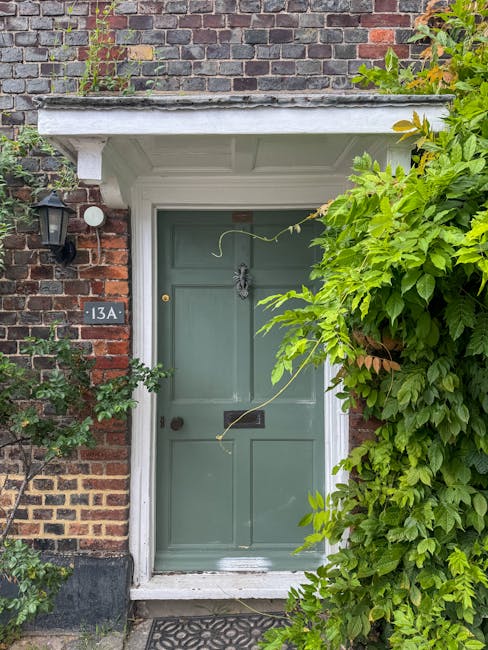
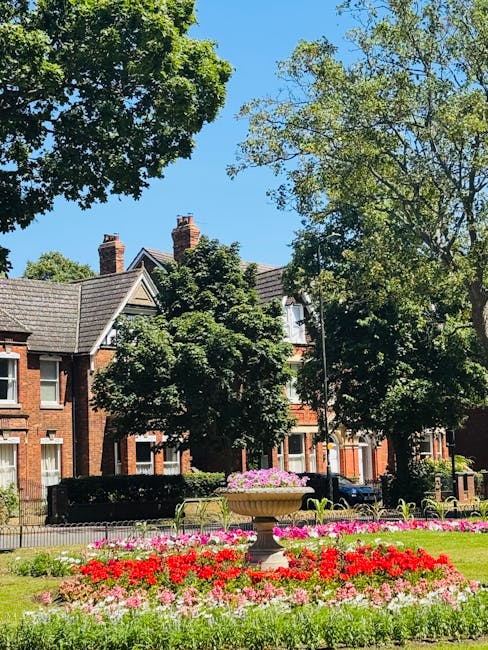
Addington Village gardeners guide to front garden projects
If your front garden is feeling a bit tired, awkward, or simply underused, you are not alone. In Addington Village, front gardens do a lot of heavy lifting: they frame the house, shape first impressions, and often have to cope with narrow plots, passing traffic, shade, wind, and not much spare time for maintenance. This Addington Village gardeners guide to front garden projects is designed to help you make sensible, attractive changes that actually work in real life, not just in glossy photos.
Whether you want a tidy low-maintenance layout, better privacy, a stronger boundary, or a more welcoming entrance, the best front garden projects start with clear priorities. A good result is usually less about piling on features and more about getting the basics right: structure, planting, access, and upkeep. Let's get into it.
Table of Contents
- Why Addington Village gardeners guide to front garden projects Matters
- How Addington Village gardeners guide to front garden projects Works
- Key Benefits and Practical Advantages
- Who This Is For and When It Makes Sense
- Step-by-Step Guidance
- Expert Tips for Better Results
- Common Mistakes to Avoid
- Tools, Resources and Recommendations
- Law, Compliance, Standards, or Best Practice
- Options, Methods, or Comparison Table
- Case Study or Real-World Example
- Practical Checklist
- Conclusion
- Frequently Asked Questions
Why Addington Village gardeners guide to front garden projects Matters
Front garden projects matter because they affect both daily living and long-term value. A front garden is not just decorative space. It has to cope with boots, bins, deliveries, drainage, boundary lines, seasonal mess, and the fact that people see it every single day. If the layout is clumsy, you feel it every time you come home. If it is well planned, the whole property feels calmer and more intentional.
In Addington Village, there is also a local design reality to think about. Some homes have modest front plots where every metre counts. Others sit in exposed spots where wind, shade, or heavy foot traffic can make planting tricky. That is where a practical, area-aware approach pays off. A front garden that works in February drizzle is far more valuable than one that only looks good in May.
There is another layer too. A thoughtful front garden can improve kerb appeal without feeling overdone. That matters whether you are staying put or preparing to sell, but even if you are neither, a neat entrance, a healthy border, and a tidy path simply make life nicer. Truth be told, the front of the house sets the tone before you even open the door.
If your front space is currently a patchwork of tired shrubs and cracked paving, you might find it useful to look at a garden makeover approach for neglected spaces before choosing individual features. That often makes the whole process feel less overwhelming.
How Addington Village gardeners guide to front garden projects Works
The simplest way to think about front garden projects is this: you are balancing function, appearance, and maintenance. If one of those dominates too much, the result usually suffers. A beautiful design that is hard to maintain quickly becomes messy. A purely practical layout can feel harsh. And a heavily planted garden with no clear access can be irritating every time you need to walk to the door.
A good project usually starts with a site read. That means looking at sunlight, drainage, soil condition, boundaries, existing hard landscaping, and how the space is used. You then decide what the front garden needs to do. For example:
- guide visitors cleanly to the entrance
- soften the view of fencing, walls, or parking space
- reduce weeds and maintenance
- improve privacy without blocking light
- create room for seasonal interest
- work for children, pets, or frequent deliveries
From there, the project becomes a set of linked decisions. Do you need a path refresh? Should the boundary be repaired first? Would a low hedge or climbers improve the view? Is the lawn worth keeping, or would a gravel and planting mix be easier? These questions sound basic, but they save a lot of regret later. And yes, they save money too.
For homes where structure is the main problem, it can be helpful to explore professional landscaping support alongside planting plans. In other cases, simple maintenance may be enough, especially if the bones of the garden are already good.
Key Benefits and Practical Advantages
Front garden projects deliver more than a visual lift. Here are the benefits people notice most often, and in our experience they tend to stack up quickly once the basics are sorted.
A stronger first impression
A front garden with clean lines, healthy planting, and a clear route to the door instantly feels more cared for. That does not mean formal or fussy. It just needs to look intentional. Even a small front plot can feel smarter with a balanced layout and one or two good focal points.
Less routine maintenance
Many people want a front garden that does not demand weekly attention. That is completely fair. Choosing durable planting, mulching properly, and reducing awkward corners can cut out a surprising amount of work. If you are tired of chasing weeds, you may also want to read practical weed control advice before you finalise your design.
Better boundary control
Front gardens often connect directly to fences, gates, hedges, and drive access. If the boundary is weak, everything looks shabby. If it is tidy and robust, the whole frontage improves. For homes that are exposed to wind, boundary stability should be part of the plan. A helpful starting point is this guide to keeping fences strong in windy conditions.
More year-round interest
The front of a house should not be interesting for only six weeks in spring. A good design mixes evergreen structure with seasonal planting so that something is always doing a bit of work. That might be evergreen shrubs, clipped hedging, textured ground cover, or a container by the entrance that changes with the seasons.
Improved practicality
People often forget how much a front garden has to handle. Bin storage, drying surfaces after rain, space for bicycles, safe access to the door, and visibility for visitors all matter. A clever layout can make the everyday stuff far less annoying. Small change, big relief.
Who This Is For and When It Makes Sense
This kind of project makes sense if you are in any of these situations:
- your front garden looks cluttered, bare, or uneven
- the path or entrance feels awkward to use
- you want a lower-maintenance design
- the boundary is weak, tired, or too exposed
- the garden feels too dark, too open, or too narrow
- you are preparing a property for sale or rental
- you want a better balance between tidy structure and planting
It also makes sense if you are starting from scratch after years of patchy repairs. One common scenario is a home where the driveway, path, and planting have all been added at different times by different people. The result is usually a bit disjointed. A proper front garden project pulls those pieces together.
For families, the priorities may include safer surfaces and clearer movement. For dog owners, boundaries and planting choices matter more than you might think; some layouts are just easier to live with. If that is your situation, the article on dogs and green spaces is worth a look.
On the other hand, if your front garden is already neat and functional, you may only need selective improvements: perhaps hedge trimming, smarter seasonal planting, or a cleaner seating edge. There is no rule that says you must do everything at once. Sometimes one very good change is enough.
Step-by-Step Guidance
A front garden project goes more smoothly when you treat it like a sequence rather than a single job. Here is a practical way to tackle it.
1. Assess what is working and what is not
Stand at the pavement or driveway and look at the whole frontage. What catches your eye first? What feels tired? Is the entrance clear? Does the planting have shape, or is it just random shrubs doing their best? Be honest. That honest first look saves a lot of guesswork.
2. Set one clear goal
Pick the main purpose of the project. It might be lower maintenance. It might be better privacy. It might be a smarter, more welcoming entrance. If you try to solve every problem at once, the design can become muddled. One strong goal keeps decisions tidy.
3. Sort the structure before the planting
Paths, edging, fencing, gates, and level changes should usually come first. Why? Because planting around unfinished structure often leads to damage, rework, or a garden that looks lovely for a month and then falls apart. A solid base means everything else sits properly.
4. Decide what should stay
You do not have to rip everything out. Mature shrubs, good hedging, or a healthy front lawn may already be adding value. Sometimes all they need is shaping, thinning, or a better frame. If you are not sure what to keep, a staged approach is wiser than an instant clear-out.
5. Choose planting that suits the site
This is where front garden projects either become easy or awkward. Choose plants that match the light, soil, and exposure. For shady corners, evergreen climbers can be a smart way to create softness and height without overcrowding the ground. See ideas for evergreen climbers in shaded spaces.
If your soil is poor or the bed is patchy, ground cover can be a brilliant practical layer. It helps with weed suppression, moisture retention, and visual continuity. A useful overview is available in this ground cover guide.
6. Build in access and maintenance
Ask yourself: how will this garden be looked after in January, not just June? Leave enough access for pruning, weeding, sweeping, and watering. Keep the design realistic for the person who will actually maintain it. If that person is you, even more reason to be kind to yourself.
7. Add the finishing layer
Once the structure and planting are in place, add details that make the space feel complete: a container by the door, tidy edging, a seat if the space allows, or a small run of lighting. These are the touches that make the project feel finished rather than merely "done enough".
Expert Tips for Better Results
Here are the little decisions that often separate a decent front garden from a really good one.
- Use repetition. Repeating a plant, material, or shape helps a small front garden feel calm instead of busy.
- Keep heights intentional. Low planting near the path and taller planting near boundaries usually reads well.
- Mix textures. A combination of fine leaves, broader evergreen shapes, and softer ground cover adds depth without clutter.
- Think in all seasons. Winter structure matters as much as summer colour. Actually, more than people admit.
- Plan for weather. Front gardens get the brunt of rain, wind, and road dirt, so choose materials that age well.
One practical trick is to stand inside the house and view the front garden through the window at different times of day. Morning light, late afternoon shade, and a wet evening all tell slightly different stories. If it looks good at 8am in drizzle, you are probably onto something.
For planting-heavy designs, a bit of vertical structure can help a lot. Wall training, trellis work, and climbers add visual height without using much ground area. If you want to explore that direction, have a look at vertical gardening techniques and use only the parts that suit your frontage.
And do not underestimate hedges. A well-trimmed hedge can make a front garden feel secure, elegant, and much less exposed. If hedging is part of your plan, the resource on hedge trimming in Addington is a useful companion.
Common Mistakes to Avoid
Front garden projects are easy to get wrong in small ways that become annoying later. Here are the most common traps.
Making everything decorative and nothing practical
If a garden looks lovely but is hard to walk through, hard to clean, or hard to maintain, you will soon resent it. Always keep the day-to-day function in the picture.
Ignoring drainage
Waterlogged front beds, puddling paths, or soil that stays sticky can damage planting and ruin finishes. In the UK, this is not a rare problem. If the site is wet or compacted, build the design around the conditions rather than pretending they do not exist.
Choosing plants for looks only
A plant that looks brilliant in the garden centre can still be wrong for a windy, shaded, or exposed front plot. Pick for site suitability first. That sounds obvious, yet people forget it all the time.
Overfilling the space
Small front gardens can become cramped surprisingly quickly. If every corner contains something, the result feels busy and hard to read. Give the design a bit of breathing room. Space is not wasted space.
Letting the boundary trail behind the rest of the project
A tired fence or messy hedge can drag the whole frontage down. Often, a boundary refresh makes more visible difference than another decorative feature ever would. If fencing is part of the answer, see the fencing service information for a sense of what can be handled professionally.
Tools, Resources and Recommendations
You do not need a shed full of specialist kit for a front garden project, but a few solid tools make life easier. A good spade, fork, pruning shears, edging tool, sturdy gloves, and a reliable watering can or hose are the basics. For larger redesigns, you may also want a wheelbarrow, a soil sieve, and a measuring tape. Nothing glamorous. Very useful though.
If you are doing a bigger refresh, it can help to separate tasks into maintenance, repair, and redesign. That prevents "quick tidy-up" jobs from turning into accidental full-scale rebuilds. If your frontage is already overgrown or tired, a structured approach through garden maintenance support may save time and stress.
Other useful resources on the same site include:
- a practical toolkit guide for checking you have the right gear
- budget-conscious low-maintenance ideas if you want a simpler finish
- container gardening inspiration for entrances and tight spaces
- seating layout ideas if you have room for a small bench or chair
When the project moves beyond tidy-up mode into design and installation, it is often worth speaking with a local team that understands how front gardens behave in everyday use. You can start that conversation through the contact page.
Law, Compliance, Standards, or Best Practice
Front garden projects are usually straightforward, but there are a few compliance and best-practice points worth keeping in mind. This is especially true if you are changing boundaries, altering access, or removing trees and larger shrubs.
In a UK setting, it is sensible to check whether any planned work affects shared boundaries, visibility for road access, drainage patterns, or protected trees. You may also need to consider neighbour relationships if a fence or hedge sits on or near a boundary line. None of that is dramatic, but it is better to sort it early than have awkward conversations after materials arrive.
For safety, work should be carried out with suitable protective gear and sensible site control, especially where there are tools, uneven ground, or nearby public access. If you are hiring help, look for clear communication around safety, insurance, and working practices. The site's insurance and safety information and health and safety policy are useful trust signals when you are comparing options.
It is also worth making sure payment, terms, and expectations are clear before work begins. Small jobs can still run into trouble if scope is vague. The pages on terms and conditions, payment and security, and pricing and quotes help set that tone properly.
Options, Methods, or Comparison Table
Front garden projects can follow different routes depending on budget, time, and how much change you want. Here is a simple comparison to help narrow it down.
| Approach | Best for | Pros | Trade-offs |
|---|---|---|---|
| Light tidy and refresh | Homes with decent structure already in place | Fast, affordable, low disruption | Limited visual transformation |
| Planting-led improvement | Gardens that need softness and seasonal interest | Boosts kerb appeal, adaptable, great for small spaces | Needs correct plant choice and upkeep |
| Boundary and structure upgrade | Exposed or tired frontages | Improves privacy, security, and overall order | More involved, may need careful planning |
| Full redesign | Overgrown, awkward, or outdated gardens | Most complete transformation, best long-term fit | Highest time commitment and usually more cost |
If you are unsure which route suits your home, a blended approach is often the sweet spot: perhaps a boundary repair, some new planting, and a cleaned or relaid path. That tends to feel balanced and sensible rather than overblown.
Case Study or Real-World Example
Here is a realistic example based on the kind of project many homeowners in Addington Village ask about.
A small front garden had become a catch-all for weeds, mismatched pots, and a hedge that had grown too wide for the space. The path was still serviceable, but the entrance felt cramped. The owners did not want a dramatic overhaul; they wanted something tidy, attractive, and easy to live with.
The project began with clearing out the most cluttered sections and assessing what could stay. The hedge was reduced and reshaped, the beds were simplified, and a narrow strip of ground cover was introduced to reduce bare soil and future weeding. A single container by the doorway gave the entrance a seasonal focal point. The fence line was checked at the same time, because the boundary had started to look a bit weary in the wind.
Nothing about the result was flashy. But it looked calmer, cleaner, and more intentional. More importantly, it was easier to maintain. That is often the real win. Not a dramatic magazine reveal. Just a front garden that no longer nags at you every time you come home.
For owners wanting a similar transformation, the broader gardening services overview can help you understand how different tasks fit together.
Practical Checklist
Use this checklist before starting your front garden project. It is simple, but useful.
- Identify the main goal: privacy, kerb appeal, low maintenance, access, or all-round improvement
- Check sunlight, shade, drainage, and exposed areas
- Decide what to keep, reshape, or remove
- Inspect paths, edging, fences, hedges, and gates
- Choose plants that suit the site rather than just the look
- Include evergreen structure for winter interest
- Plan for easy access to bins, doors, and maintenance points
- Use mulch or ground cover where weed control is a problem
- Leave room for future growth, not just day-one appearance
- Confirm any boundary or tree-related concerns before work starts
- Set a realistic maintenance routine for the finished design
Expert summary: the best front garden projects are usually the ones that look effortless because the groundwork was done properly. Structure first, planting second, details last. Simple rule, big payoff.
Conclusion
A good front garden project is not about chasing perfection. It is about creating a frontage that feels tidy, welcoming, and manageable in the real world. In Addington Village, that often means working with modest space, changing weather, and the practical demands of everyday life. The best results come from clear goals, site-aware planting, and a steady hand with the structure.
Start small if you need to. Sort the boundary. Improve the path. Replace tired planting with something more resilient. Or go bigger if the garden really needs a reset. Either way, a well-planned front garden can lift the whole feel of a home. And that, to be fair, is one of the nicest improvements you can make.
Get a free quote today and see how much you can save.
When you are ready to take the next step, reach out and talk through the frontage you have, the result you want, and the level of work that feels right. Sometimes the best garden projects begin with a fairly ordinary question asked at the right time.
Frequently Asked Questions
What is the best first step in a front garden project?
Start by assessing what the garden needs most: a clearer layout, better planting, stronger boundaries, or lower maintenance. That first decision prevents the design from becoming muddled.
How do I make a small front garden look bigger?
Use repetition, simple lines, and a limited plant palette. Keeping the design uncluttered and allowing some open space makes even a small frontage feel wider and calmer.
What plants work well in exposed front gardens?
Choose tough, site-appropriate plants with good structure and resilience. Evergreen shrubs, hardy ground cover, and wind-tolerant planting usually perform better than delicate ornamentals.
Is a front garden project worth it if I am not selling my house?
Yes. The daily benefit can be just as valuable as any resale gain. A front garden that is easier to maintain and nicer to arrive home to has real everyday value.
How can I reduce weeds in a front garden?
Good soil preparation, mulch, and well-chosen ground cover all help. You can also keep on top of regular weeding before small problems become established.
Do I need to replace my fence or hedge as part of the project?
Not always, but it is worth checking whether the boundary is undermining the rest of the design. A tired fence or overgrown hedge can make even a tidy garden feel incomplete.
What is the cheapest way to improve a front garden?
Often it is a combination of clearing, reshaping, and adding a few high-impact plants or containers. You do not need a full redesign to get a noticeable improvement.
How much maintenance should I plan for after the work is done?
That depends on the planting and materials you choose. A lower-maintenance design should still allow for seasonal pruning, sweeping, weeding, and occasional refreshes.
Can front garden projects include seating?
Yes, if the space allows and it will actually be used. A small bench or chair can be lovely, but it should not block movement or make the entrance feel cramped.
When is the best time of year to start?
Many front garden projects can begin in spring or autumn, but the right timing depends on the scope. Structural work, planting, and maintenance tasks often follow different seasonal windows.
Should I hire a professional for a front garden project?
If the work is limited to light tidy-up, you may manage it yourself. If you are changing structure, boundaries, drainage, or dealing with an overgrown plot, professional support can save time and reduce costly mistakes.
How do I make sure the design suits Addington Village conditions?
Think about wind, shade, front-facing exposure, and how often the space will be used. A design that fits the local conditions will always age better than one based only on looks.