Addington Hills Gardening Services for Steep Slopes and Access
If your garden in Addington Hills sits on a steep bank, a split-level plot, or a tucked-away space that is awkward to reach, you already know the routine: jobs take longer, edges are harder to cut, and a simple tidy-up can feel strangely physical. That is exactly where Addington Hills gardening services for steep slopes and access make a real difference. The right approach is not just about making a sloping garden look neat. It is about working safely, protecting the soil, choosing plants and materials that hold up, and making sure the garden remains usable all year round.
In this guide, we will look at how slope-aware gardening works, what practical services usually help most, and what to expect when access is limited by steps, narrow side entrances, awkward rear access, or uneven ground. You will also find a comparison table, a checklist, and a realistic example to help you judge what your own garden needs. To be fair, sloped gardens can be beautiful. They just need a bit more thought than the flat ones.
Why Addington Hills gardening services for steep slopes and access Matters
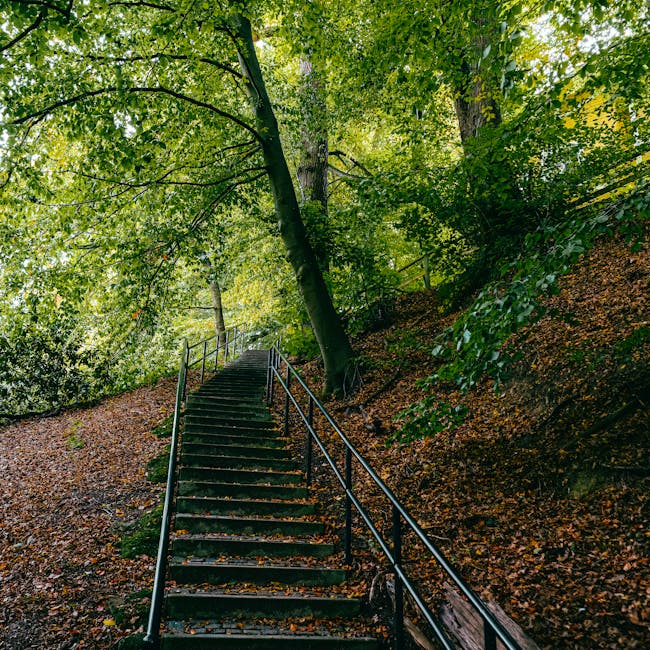
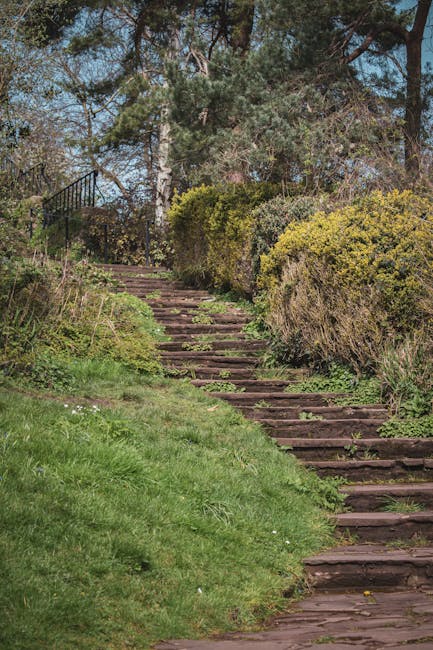
Sloping gardens create a different set of challenges from ordinary domestic plots. Water runs downhill, soil tends to move, and repeated foot traffic can make worn paths more slippery and unstable. If access is poor as well, even light maintenance becomes difficult. A mower may not fit through the side passage. A barrow may struggle on steps. And when someone tries to do it all casually, the job often ends with patchy results or, worse, avoidable accidents.
That matters because a garden on a slope is not only a decorative space. It is also a living structure. Plants, soil, retaining edges, fencing, steps, and paths all need to work together. When one element fails, the whole space starts to look tired. You see soil creep, bare patches, leaning posts, and waterlogged corners. In a place like Addington Hills, where outdoor spaces can include elevation changes and tighter access points, the garden needs maintenance that respects those conditions rather than fighting against them.
There is also a big design point here. Good slope management can turn what feels like a problem into one of the garden's best features. Terraced planting, layered ground cover, careful hedge placement, and sturdy access routes can make a steep plot feel calm, intentional, and surprisingly easy to live with. The trick is planning for the land you actually have, not the land you wish you had.
For many households, the value is simple: less stress, less physical strain, and fewer repairs caused by poor upkeep. If you also want the garden to look presentable between visits, a structured maintenance plan can make a very visible difference. Pairing slope-aware care with regular garden maintenance support is often the most sensible starting point.
How Addington Hills gardening services for steep slopes and access Works
In practice, slope and access work usually starts with a proper site assessment. That sounds obvious, but it is where many rushed jobs go wrong. A professional will look at gradient, soil movement, drainage, entry points, existing steps, obstacles, and the condition of borders or retaining edges. They will also look at where the work needs to happen most often. A steep front bank needs different handling from a back garden with a narrow alleyway and a long carry from the vehicle.
From there, the work is usually broken into manageable tasks. Heavy or awkward jobs may be done in stages so that the site stays safe and usable. For example, one visit may focus on clearing overgrowth and making access safer. Another may involve reshaping beds, reinforcing edges, or improving drainage. A third could be routine care such as trimming, mowing in smaller sections, and tidying planting areas that are harder to reach.
Specialist equipment often matters more than people expect. Lightweight tools, compact mowers, long-handled pruners, stabilised platforms, and the right barrow or carrying method can reduce strain and improve accuracy. If a slope is too awkward for standard mowing, a service may recommend a different maintenance pattern, such as reduced mowing frequency, more ground cover, or a planted scheme that needs less repetitive cutting. That is not cutting corners. It is intelligent garden management.
Access planning is equally important. If the only route is through a side gate or tight passage, the team has to think about how materials, waste, and tools will move through the space. That affects timing, labour, and the type of work that is realistic in one visit. Small detail, big difference.
Typical work stages on a difficult site
- Survey and risk review - identify slips, unstable edges, poor drainage, and awkward entry points.
- Access planning - decide how tools, waste, and materials will reach the garden safely.
- Clearance and stabilisation - remove overgrowth, make pathways safer, and tidy hazardous areas first.
- Functional improvements - improve planting structure, steps, borders, or drainage where needed.
- Routine upkeep - mow, trim, weed, mulch, and maintain the slope in practical sections.
If you want a broader overview of what a good contractor can cover, take a look at the full gardening services offering. It helps to know where slope-specific work fits into the bigger picture.
Key Benefits and Practical Advantages
The biggest benefit is safety, and that should never be underestimated. Slopes become slippery in wet weather, especially when moss, loose soil, or cuttings build up. Proper maintenance reduces that risk. Clean access routes, better edging, and sensible planting all help people move around the garden more confidently. Nobody wants to be balancing a trug and a watering can on a damp bank at 8am, let's face it.
Another major benefit is soil stability. Steep gardens often lose topsoil faster than flat ones. The result can be patchy growth and exposed roots. A thoughtful maintenance plan uses planting structure, mulch, and ground cover to protect the soil surface. This makes the garden more resilient during heavy rain and less likely to wash out after a storm.
There is also a time-saving angle. When a garden is hard to access, every job takes longer if the layout is inefficient. A good service streamlines the routine. Instead of fighting the terrain every time, the work is set up to suit the terrain. That means less repetition, fewer awkward passes, and a better finish overall.
For homeowners, the visual benefit is easy to spot. A sloping plot can go from looking untidy and neglected to layered, balanced, and intentional. Even modest changes such as sharper edging, trimmed hedges, and better ground cover can lift the whole space. If the garden has become a bit of a headache, a makeover-style reset may help, and this garden makeover guide is a useful companion read.
- Reduced slip and trip risk on slopes and steps
- Better soil retention and drainage behaviour
- More efficient access for maintenance visits
- Improved plant health through smarter placement and coverage
- A cleaner, more finished look all year round
Who This Is For and When It Makes Sense
This kind of service suits a surprisingly wide mix of gardens. You might have a steep rear lawn, a front bank with shrubs, a terraced patio, or a long and narrow access route that makes routine maintenance awkward. It is also relevant if the garden is physically demanding for the household, whether because of age, mobility, time pressure, or just the sheer inconvenience of hauling tools up and down steps.
It makes sense when the garden is already showing signs of strain: soil slippage, thinning grass on the slope, overgrown edges, water pooling, or plants that never seem quite settled. It also makes sense if your garden includes features like fencing, retaining borders, decking, or a raised seating area, because those elements need regular checks around access points and exposed edges. If wind is part of the picture too, the right planting and structure become even more valuable, especially where exposed fences or boundary features need support. In that case, a practical resource like these fence maintenance tips for windy conditions can be very relevant.
Busy households also benefit. If you can only spare an hour here and there, a difficult garden can quickly become overwhelming. A slope-friendly plan reduces the number of "urgent" jobs and makes it easier to stay ahead. That is often the real win: not perfection, just control.
This is especially useful for:
- Homes with steep front or back gardens
- Plots with awkward side access or limited gate width
- Gardens with drainage issues and soil washout
- Properties with children or pets that need safer movement routes
- Owners who want lower-maintenance planting on a difficult site
Step-by-Step Guidance
Before any long-term improvement, start by understanding the site properly. It sounds basic, but a sloping garden punishes guesswork. One offhand pruning session can expose soil, one poor planting choice can become a drainage headache, and one badly planned path can make access worse rather than better.
1. Map the problem areas
Walk the garden slowly and note where you slip, where water runs, where access gets awkward, and which areas are hardest to maintain. Look at the garden after rain if you can. That is when the truth shows up, usually in a muddy patch or a little stream that wasn't invited.
2. Separate urgent hazards from long-term improvements
Some jobs need attention immediately: loose steps, unstable edging, overhanging branches, or major blockages in pathways. Other jobs can wait, like adjusting planting or refining a border. Do not mix them all together. If you do, the work becomes vague and expensive-looking without getting any cleaner.
3. Choose the right maintenance method for each zone
A slope near a path may need trimming and edging. A steeper bank may be better managed with ground cover and shrubs. A tricky access strip may need a lighter-touch routine because larger equipment simply is not practical there. A skilled gardener will often reduce complexity rather than try to force conventional methods onto a difficult site.
4. Build stability into the planting plan
Plants with spreading roots, good coverage, or a strong evergreen structure are often useful on banks. Ground cover can reduce erosion and suppress weeds. Layered planting helps hold soil in place while creating a more polished finish. For some gardens, a useful place to begin is this guide to ground covers that suit UK gardens.
5. Keep access clear and repeatable
It is not enough to clear the route once. Access should stay clear over time. That may mean regular pruning at shoulder height, keeping paths free of debris, and managing plants that tend to spill into walkways. If the site is especially tight, consider whether a more vertical planting style could work better than broad, sprawling beds. There is a useful discussion of that approach in this vertical gardening article.
6. Put routine care on a realistic schedule
Short, regular visits are often better than rare, heavy jobs on a slope. You get less build-up, fewer emergencies, and a steadier appearance through the year. A sloping garden tends to reward consistency. Bit boring, maybe. Also very effective.
Expert Tips for Better Results
One of the best decisions you can make is to use planting that does some of the work for you. Dense, well-chosen ground cover can reduce weed growth, protect bare soil, and soften the look of a bank without demanding constant attention. In shaded corners or awkward spots, evergreen climbers can add life without needing a huge footprint. If that sounds useful, this piece on evergreen climbers is worth a look.
Another tip: do not over-mow or overcut slopes. It is tempting to keep everything shaved short because it looks neat for a day or two. On a steep bank, though, that can leave soil exposed and make the surface harder to stabilise. A slightly fuller sward, or a blend of grass and planting, is often more durable. If the lawn is part of the slope, specialist lawn care can help maintain it without stripping it bare.
Try to think in layers. Upper areas, mid-slopes, and lower sections often need different plants and different maintenance frequency. That layered approach looks more natural and reduces the feeling that the garden is "fighting back".
Some other practical tips:
- Use mulch to protect soil and slow erosion
- Prune in stages so access is never blocked by cuttings
- Keep tools light and portable where possible
- Make sure paths drain away properly rather than pooling at the base
- Group jobs by zone so the gardener is not constantly moving equipment up and down
If your garden is exposed to wind as well as slope, the planting and structure choices become even more important. This guide on building a wind-resistant garden landscape fits nicely alongside slope planning.
Common Mistakes to Avoid
The first big mistake is treating a slope like a flat garden with a few extra steps. It is not. Slopes need a different maintenance rhythm, and if you ignore that, the signs show quickly: erosion, uneven growth, and overworked access routes.
Another mistake is relying too heavily on heavyweight equipment. If a machine is difficult to carry, hard to turn, or too aggressive for the terrain, it can do more harm than good. A smaller, more controlled approach is often better, especially where access is tight or the ground is soft.
People also forget about the aftermath. Clearing a slope can create loose debris, clippings, and bits of soil that become slippery if left behind. A garden that looks good at the end of the cut but feels dangerous on the way back to the house is not really finished, is it?
Other errors to avoid include:
- Planting species that do not help hold the slope
- Leaving exposed bare soil on banked areas
- Ignoring drainage and runoff patterns
- Letting access routes become clogged with pots, tools, or trimmings
- Assuming one-off work will solve a structural problem
There is also a softer mistake: not asking for a clear plan. A good service should be able to explain what will happen first, what will be maintained regularly, and what may need future improvement. If the explanation sounds vague, pause. A proper plan should feel calm and specific, not mysterious.
Tools, Resources and Recommendations
For difficult access and steep ground, the right tools are less about flash and more about practicality. Long-handled tools, lightweight cutters, compact mowers, pruning shears, secateurs, a stable wheelbarrow or carry system, and good gloves all help. A basic toolkit can cover a lot, provided it is the right toolkit. There is a helpful overview in the avid gardener's toolkit guide.
For materials, think in terms of stability and low maintenance. Ground cover plants, mulch, edging that keeps soil in place, and robust planting combinations are all sensible choices. If privacy is also a goal, hedging can work well, but it should be chosen with slope access in mind so trimming stays manageable. This guide to hedges for privacy is a good place to compare options.
Useful service areas to consider alongside slope work include:
- landscaping for restructuring banks, steps, or planting zones
- fencing where boundary support or replacement is needed
- tree surgery for overhanging or access-blocking trees
- patio cleaning if hard surfaces near slopes are becoming slippery
- decking services where level access or seating platforms need attention
For gardeners who want lower-maintenance planting on awkward areas, this article on budget-conscious low-maintenance ideas can be surprisingly useful. It keeps things practical, which is exactly what a slope needs.
Law, Compliance, Standards, or Best Practice
With slope and access work, the main concern is not legal complexity so much as sensible practice and safety. In the UK, garden work should be carried out with proper attention to hazards such as slips, unstable ground, manual handling strain, falling debris, and tool safety. That matters particularly where access is restricted, because poor planning can turn a simple maintenance visit into a risky one.
If work involves steep banks, retaining features, heavy lifting, or awkward access through shared areas, it is best practice to assess the site carefully before starting. For domestic customers, that usually means clear communication about access routes, storage of materials, and what the crew will need from the property owner. If anything looks unstable, pause and address that first. A tidy garden is useful; a safe one is better.
It is also wise to think about insurance, clear terms, and payment arrangements before work begins. That is not being fussy. It is just professional. Pages such as insurance and safety, health and safety policy, terms and conditions, and payment and security help set expectations in a straightforward way.
If you want to understand how quoting and scope are normally handled, the page on pricing and quotes is a useful reference point. It can save a lot of back-and-forth later.
Options, Methods, or Comparison Table
Different slopes call for different approaches. A small bank by the front path does not need the same treatment as a steep, uneven rear garden with limited entrance access. Here is a simple comparison to help you think it through.
| Approach | Best for | Strengths | Limits |
|---|---|---|---|
| Regular manual maintenance | Light to moderate slopes with reasonable access | Precise, flexible, easy to adjust | Slower on larger plots; more labour-intensive |
| Ground-cover-led maintenance | Banks that lose soil or struggle with weeds | Improves stability, lowers upkeep | Can take time to establish |
| Terraced or stepped redesign | Steeper slopes needing long-term structure | Makes access and planting much easier | Higher upfront work and planning |
| Low-maintenance mixed planting | Busy homes or hard-to-reach areas | Balanced look, fewer repeated cuts | Needs thoughtful plant selection |
| Targeted professional visits | Awkward access or specialist safety concerns | Efficient, safer, well organised | May not suit every routine job |
In many real gardens, the best answer is a mix of methods. A bank may use ground cover at the base, shrubs through the middle, and periodic trimming at the top. A side access strip may get a lighter routine than the main lawn. That sort of tailoring is what keeps the whole place manageable.
Case Study or Real-World Example
Picture a typical Addington Hills garden: a narrow side gate, a raised patio, and a sloping rear bank with shrubs that have grown a little wild. After a wet spell, the bottom corner turns soft and muddy. The mower is awkward to manoeuvre, and the access route keeps getting blocked by cuttings. Nothing dramatic, just a garden that has become harder to live with than it should be.
A sensible service approach would start by opening the access route and clearing the worst overgrowth. Then the sloping bank would be assessed for soil movement and planting gaps. Instead of trying to force a standard lawn routine across the whole space, the service might reduce mowing pressure, add ground cover in vulnerable areas, and trim shrubs to improve sightlines and movement. If the fencing is also exposed or tired, boundary work could be folded into the plan so the garden feels secure as well as tidy.
What changes most is not only how the garden looks, but how it feels to use. The route becomes easier to walk. The bank stops shedding as much soil. The garden edge looks intentional rather than chaotic. And because the work is organised around access, maintenance stops feeling like a battle. That is the quiet success here.
If the garden also needs help with boundaries, privacy, or shaded planting, related reads such as secure fence care in windy weather and creating a fragrant herb sanctuary can help shape the next stage of the design.
Practical Checklist
Use this quick checklist before booking work or planning a seasonal tidy-up.
- Identify the steepest parts of the garden and where access is hardest
- Check for slippery steps, loose soil, or unstable edging
- Note any drainage issues after rain
- Decide which areas need regular maintenance and which need redesign
- Keep paths, gates, and side access clear for tool movement
- Choose planting that helps hold soil and reduce weeds
- Ask how waste, cuttings, and materials will be removed safely
- Confirm whether fencing, trees, decking, or patios need attention too
- Make sure the plan is realistic for the season and the terrain
- Review the quote and scope before work begins
Expert summary: The best slope-and-access gardening is not about brute force. It is about control, sequencing, and choosing the right materials and methods for the ground in front of you. A tidy slope is good. A stable, usable, easy-to-maintain slope is much better.
Conclusion
Addington Hills gardens with steep slopes and difficult access need more than routine mowing and the occasional tidy. They need a plan that respects the terrain, improves safety, and makes ongoing care realistic. When maintenance is designed around slope, drainage, planting stability, and practical access, the whole garden becomes calmer and easier to live with.
That is the real value of professional help here. Not just a neater border or a shorter lawn, but a garden that stops fighting you every time it rains or every time you need to get a wheelbarrow through the side passage. If you want a more usable outdoor space, start with the problem areas first, then build out from there. Small improvements stack up quickly. They really do.
Get a free quote today and see how much you can save.
When you are ready, choose the next step that matches your garden's shape, access, and pace of life. A difficult slope can become one of the nicest parts of the home, and with the right care, it often does.
Frequently Asked Questions
What makes steep-slope gardening different from ordinary garden maintenance?
Steep-slope gardening needs more attention to safety, soil movement, drainage, and how tools are carried through the site. Tasks often need to be broken into sections, and planting choices usually need to help stabilise the ground rather than just decorate it.
Can a garden with poor access still be maintained properly?
Yes, but it usually needs a more thoughtful approach. Narrow gates, side passages, or long carry distances affect what equipment can be used and how waste is removed. A good plan works with the access route instead of ignoring it.
Is mowing a steep bank a good idea?
Sometimes, but not always. Very steep or slippery banks can be better managed with ground cover, shrubs, or reduced mowing frequency. Overcutting can expose soil and make erosion worse. A site-specific judgement is best.
What plants are useful on sloped gardens?
Plants that spread well, cover soil effectively, and tolerate the local conditions are often helpful. Ground cover, low shrubs, and some evergreen planting can reduce erosion and lower ongoing maintenance. The exact choice depends on light, moisture, and exposure.
How often should a steep garden be maintained?
That depends on how fast it grows, how exposed it is, and how much access it gets. For many gardens, shorter and more regular visits work better than occasional heavy work. Slopes tend to reward consistency.
Do sloping gardens cost more to maintain?
They often can, because they take longer and may require specialist methods or equipment. However, sensible planting and better layout can reduce the long-term workload. A well-planned slope usually becomes cheaper to manage over time.
What are the biggest safety risks on a steep garden?
Slips, trips, unstable edges, awkward lifting, and debris left on paths are the main ones. Wet weather makes everything trickier. Good footwear, careful sequencing, and clear access routes all help.
Can fencing help with slope and access issues?
Yes, in some gardens. Strong fencing can define boundaries, support structure, and improve privacy on exposed sites. It should be checked regularly, especially if the garden is windy or the ground moves. Boundary care is often part of the bigger picture.
Should I improve drainage before planting a steep bank?
If water is pooling, washing soil away, or leaving parts of the slope soggy, drainage should be reviewed first or alongside planting. Otherwise, new plants may struggle before they are properly established.
What should I ask before booking gardening help for a difficult-access property?
Ask how the site will be assessed, how tools and waste will be handled, whether the team has experience with sloped plots, and what the maintenance plan will look like after the first visit. Clear answers are a good sign.
Can slope gardening be low-maintenance?
Yes, if the design is right. Ground cover, durable planting, careful edging, and sensible access planning can all reduce future work. Low-maintenance does not mean no maintenance, though. A little attention still goes a long way.
Where can I find more information about booking or next steps?
If you want to discuss your garden's access, slope, or maintenance needs, the best starting point is to get in touch here. You can also review the about us page to understand the wider service approach and how the work is handled.